WEBSITES
Wix, Squarespace or Built for You? When a Builder Is Enough
Should you use a website builder, try AI or get professional help? Work out what suits your business, time and budget.
You need a website, but you’re unsure how much help you actually need. Should you make it yourself with Wix or Squarespace, try an AI website builder, or pay someone to build it for you?
Any of those routes could suit your business. The decision comes down to what the website needs to do, how comfortable you are doing the work and how much time you can give it.
Before you compare platforms or ask for quotes, it helps to separate two questions: what will you use to build the website, and who will take responsibility for getting it right?
When a Website Builder Is Enough
A DIY website can be a sensible starting point if you have straightforward requirements, a limited budget and the time to work on it.
Perhaps you’re a local gardener who needs to explain your services, show photographs of recent work, list the areas you cover and give people a way to contact you. You already know what customers ask, have some good pictures and feel comfortable putting the pages together.
In that situation, a website builder gives you a sensible place to start.
Try an editor before committing. Build a service page using your own words and photographs. Check it on your phone, change the layout and see how comfortable you feel making adjustments. Working with your actual content tells you more than browsing finished templates.
People have different preferences, too. Someone who enjoys using Wix might find another platform frustrating. Familiarity matters, especially if you’ll be updating the website yourself.
You don’t need to choose the most complicated option to have a useful small business website.
What You Still Need to Work Out
A builder gives you tools to put a website together. There are still decisions to make about what belongs on it.
Imagine a decorator choosing a template. The example looks impressive, but their customers still have questions. Do they handle preparation and repairs? Which areas do they cover? Can they work around a business’s opening hours? What happens after someone asks for a quote?
Those answers need to shape the pages.
Before you start building, write down:
- What you want visitors to do, such as call, enquire or book.
- What they need to know before they’ll feel comfortable doing it.
- What evidence you can show, such as real project photographs or customer reviews.
- Which services need their own explanation.
- Who will keep the information up to date.
This work takes time whichever platform you choose. If you’re struggling to explain your services or decide what goes where, changing the template may not solve the problem.
Where AI Fits In
AI can help build a website quickly. Getting a website that properly fits your business takes clear direction and someone with the experience to judge the result.
You can open ChatGPT or Claude and type, “Build me a professional-looking website for my gardening business.” You’ll probably get something that looks convincing at first glance. That short instruction leaves the tool to guess the details that matter.
Are you offering regular maintenance or designing gardens from scratch? Do customers want an affordable weekly service or a substantial landscaping project? The answer should change the pages, the photographs and the route to an enquiry.
The visual decisions need direction too. Fonts must be readable and fit the business. Colours and spacing should help people follow the page. A large photograph or an animated section needs a reason to be there.
Without that direction, you get a website that could belong to almost anyone. It looks polished and says very little about why someone should contact this particular business.
This is why an experienced person needs to be in the driving seat. They write the brief, guide the build and challenge what comes back. They spot the vague heading, the crowded page and the impressive-looking section that tells customers nothing.
AI can build quickly. It cannot decide whether it has understood your business unless someone checks its work.
Why Pay Someone If AI Can Build It?
Access to an AI tool gives you a way to start. You still have to know what to ask for, what to change and when the website is ready.
If you have that experience and the time to do the work, building it yourself may suit you. If you don’t, this is where professional help has value.
At Twenty Nine Digital, we bring more than ten years of marketing experience to those decisions. We work through what your business offers and what customers need to understand. That shapes the pages, the wording, the design and the enquiry route.
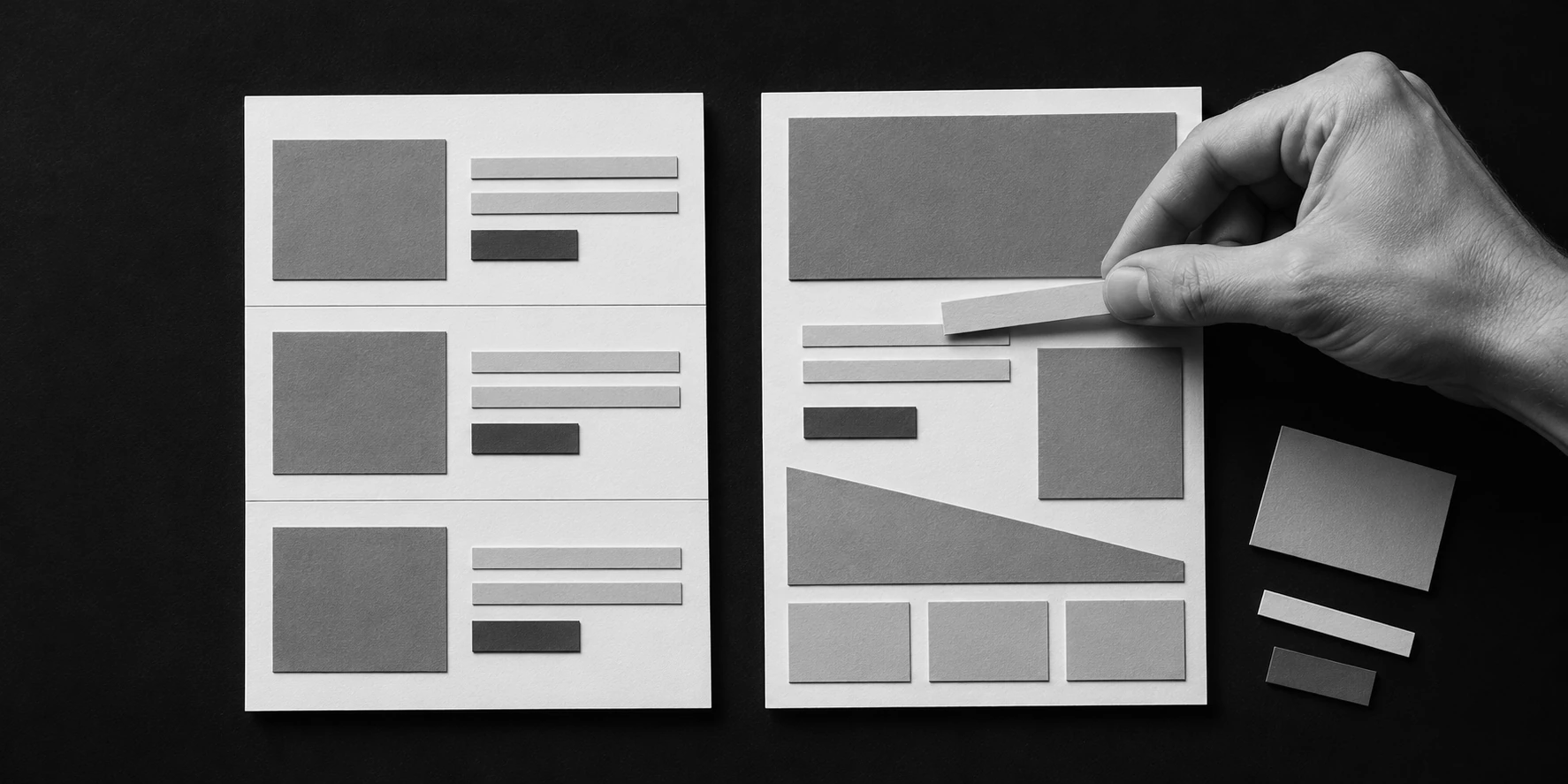
Before the build starts, we agree the sitemap, work through the layouts and develop the copy and design. That includes how the website will look and work on both a phone and a larger screen. AI then helps us turn those decisions into the finished site.
We direct and review the build, checking that the pages work and the design and wording still answer the brief.
Using AI to help with coding means we’re not paying for a separate developer on our usual builds. That helps us keep our prices fair. The planning and judgement still take time.
You’re paying for that experience and for someone to take responsibility for the finished website.
Compare the Whole Job
When comparing DIY with professional website design, look beyond the initial subscription or build price.
For a DIY site, check the ongoing plan cost, domain renewal and any extras needed for the features you want. Include your own time for writing, learning the editor, making changes and maintaining the site.
For a professional build, ask what the quote includes. Will someone help with the copy? What search setup is covered? How many rounds of changes do you get? What happens after launch, and how will future updates work?
If you have a preferred platform, mention it at the start. We can build on Wix where it suits the brief, but it usually takes a different amount of time and changes the price. We’ll discuss that before agreeing the work.
Be specific about any booking, payment or other business systems you need, too. Test whether the proposed setup supports the way you actually work before committing.
A Useful Way to Decide
Choose one important page and try putting it together yourself. Use your real service information, add your photographs and give it a clear next step.
Then ask someone unfamiliar with your business to look at it on their phone. Can they explain what you offer, whether it’s suitable for them and how to get in touch?
If you can build that page comfortably and have time to finish the rest, keep going. If you’re spending evenings rearranging sections while still feeling unsure what to say, get help with the decisions before you spend more time on the layout.
A website builder is enough when you can use it to give customers the information and experience they need. Professional support is worth considering when you need help getting there.
Related service: Websites